Cracking the code to effective language arts instruction has long eluded educators, but a simple, powerful tool has been hiding in plain sight: anchor charts. These visual aids have been widely adopted in classrooms to promote student understanding and engagement, and recent research suggests they hold the key to unlocking literacy for students of all ages.
What are Anchor Charts?
Anchors in the context of language arts refer to a central idea or concept around which a chart or diagram is organized. These charts often take the form of a visual map or diagram, used to illustrate complex ideas and relationships in a concrete, easy-to-understand format. By focusing on a central idea or concept, anchor charts allow students to explore and understand abstract concepts more effectively.

How Do Anchor Charts Work?
Anchor charts work by providing a visual anchor for student learning. When students see a complex idea broken down into its constituent parts, they can better grasp and retain the information. Additionally, anchor charts provide a framework for student discussion and collaboration, as students can engage with and add to the chart, further solidifying their understanding. By repeatedly revisiting and revising anchor charts, students develop a deeper and more nuanced understanding of the material.
The Benefits of Anchor Charts
- Improved Literacy**: By breaking down complex ideas into their constituent parts, anchor charts enable students to better grasp and retain literacy concepts.
- Enhanced Student Engagement**: Anchor charts provide a visually engaging and interactive way for students to engage with the material, leading to increased participation and motivation.
- Increased Flexibility**: Anchor charts can be adapted to meet the needs of diverse learners, providing a flexible and inclusive approach to language arts instruction.
Hot Cracking vs Cold Cracking in Language Arts: What's the Difference?
While anchor charts are a powerful tool for language arts instruction, it's essential to recognize that different types of cracking can occur. Hot cracking refers to the sudden, intense burst of understanding that occurs when a student grasps a new concept, often accompanied by excitement and enthusiasm. Cold cracking, on the other hand, is a more gradual process, where students build a deeper understanding over time through repeated exposure to the material.

Conclusion
In conclusion, anchor charts hold the key to unlocking literacy for students of all ages. By providing a visual anchor for learning, these charts enable students to grasp and retain complex ideas, leading to improved literacy and a deeper understanding of language arts concepts. Whether used in isolation or in combination with other instructional tools, anchor charts offer a flexible and inclusive approach to language arts instruction, one that is sure to have a lasting impact on student learning.
Liquid Cracking Process – Ammonia Cracking Process – IVLQP

Liquid Cracking Process – Ammonia Cracking Process – IVLQP
Does Cracking Your Windows Help With Heat | Detroit Chinatown
Does Cracking Your Windows Help With Heat | Detroit Chinatown
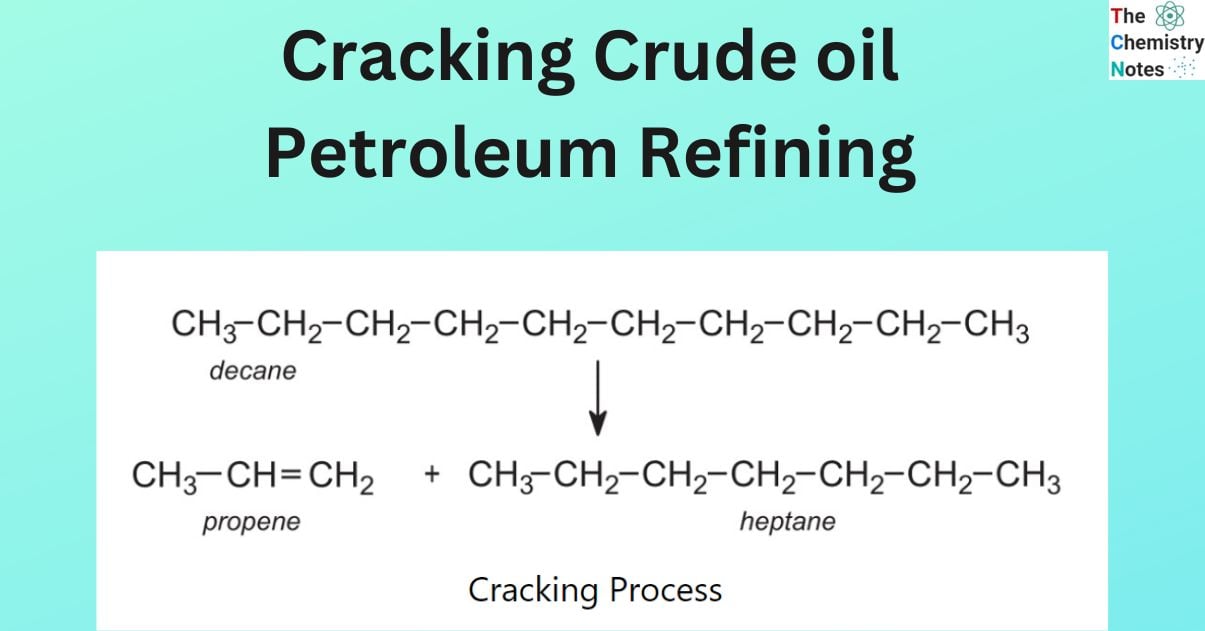
Cracking: Definition, Types, Mechanism And Significance

Cracking: Definition, Types, Mechanism and Significance
Hot Cracking Vs Cold Cracking In Welding: Key Differences

Hot Cracking vs Cold Cracking in Welding: Key Differences